The Mountain Men
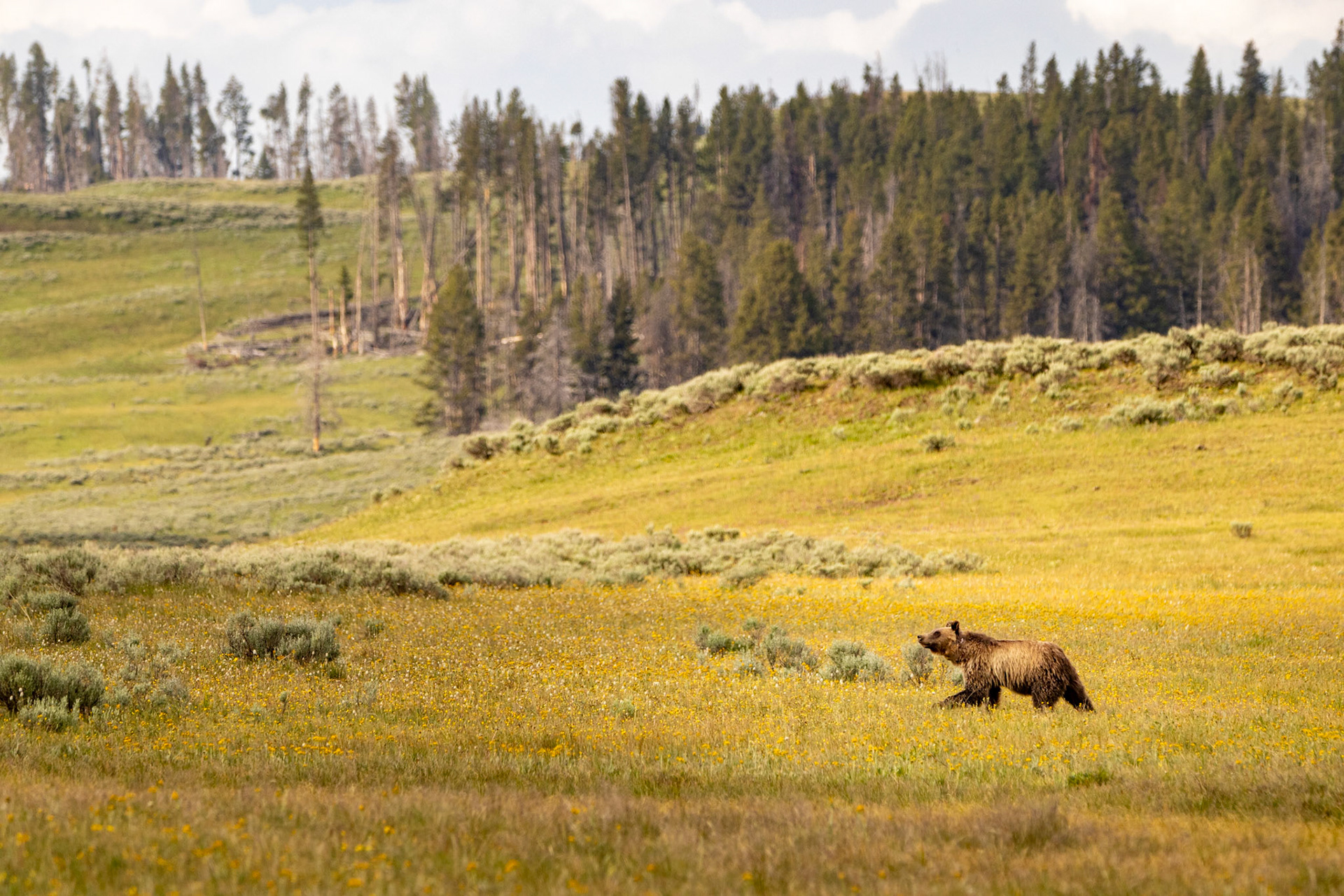
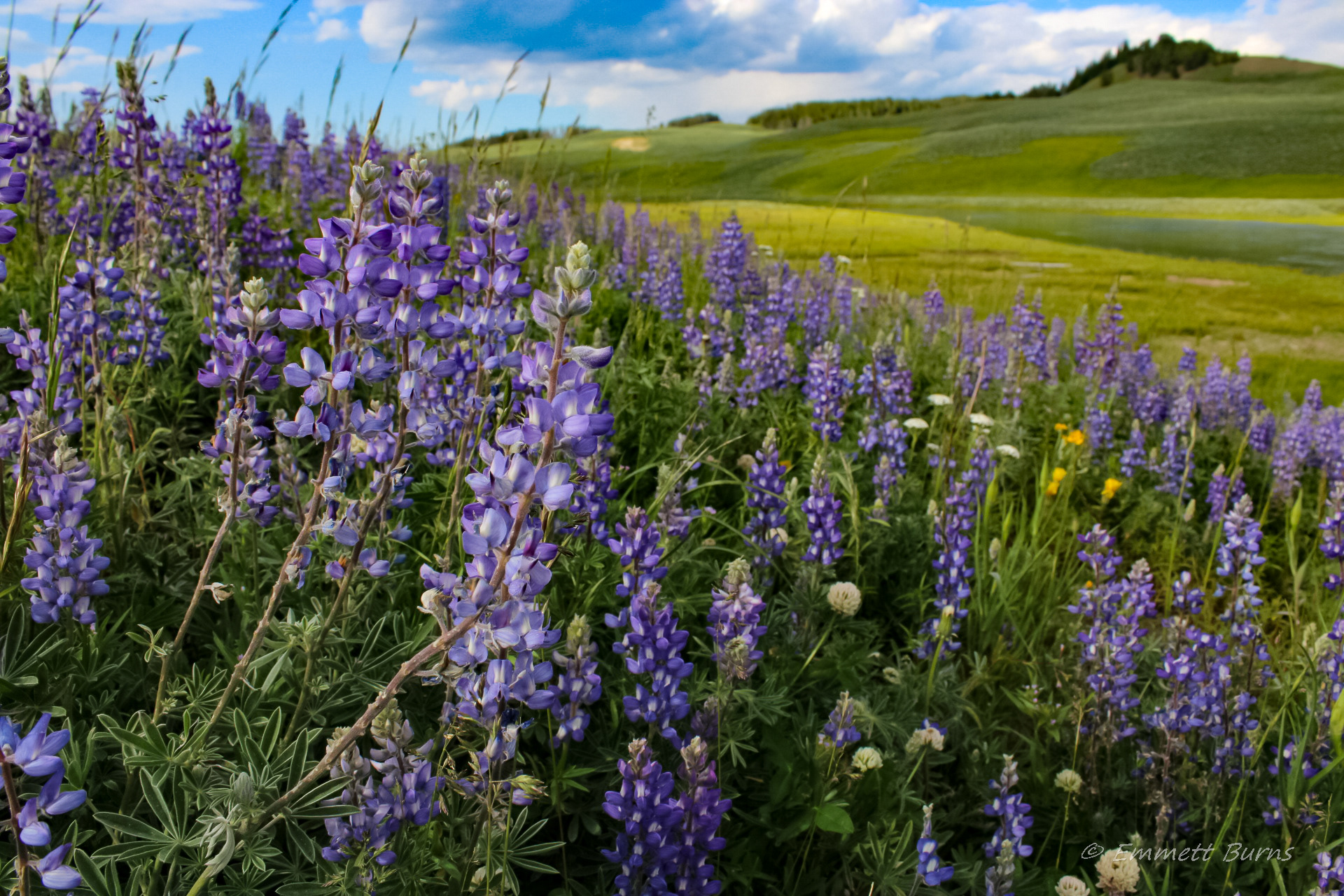
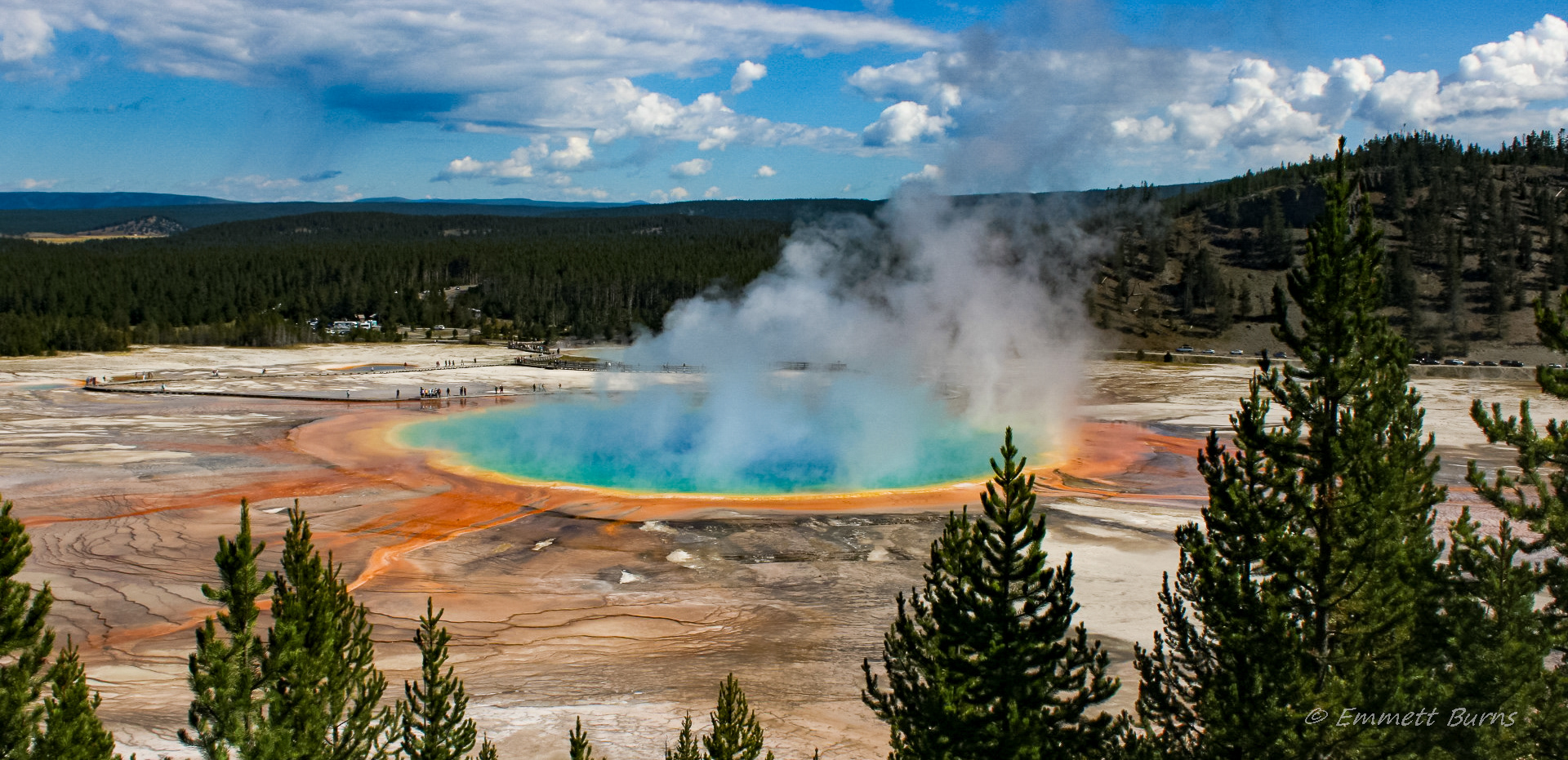
Mountain men had traversed this infamous region of the Rocky Mountains for decades, trapping beavers and other critters. They told stories of a place that seemed unbelievable. Steaming mud bubbling on the earth's surface, crystal blue pools of boiling water, and geysers erupting hundreds of feet in the air. No one believed the stories those trappers brought back to the east coast.
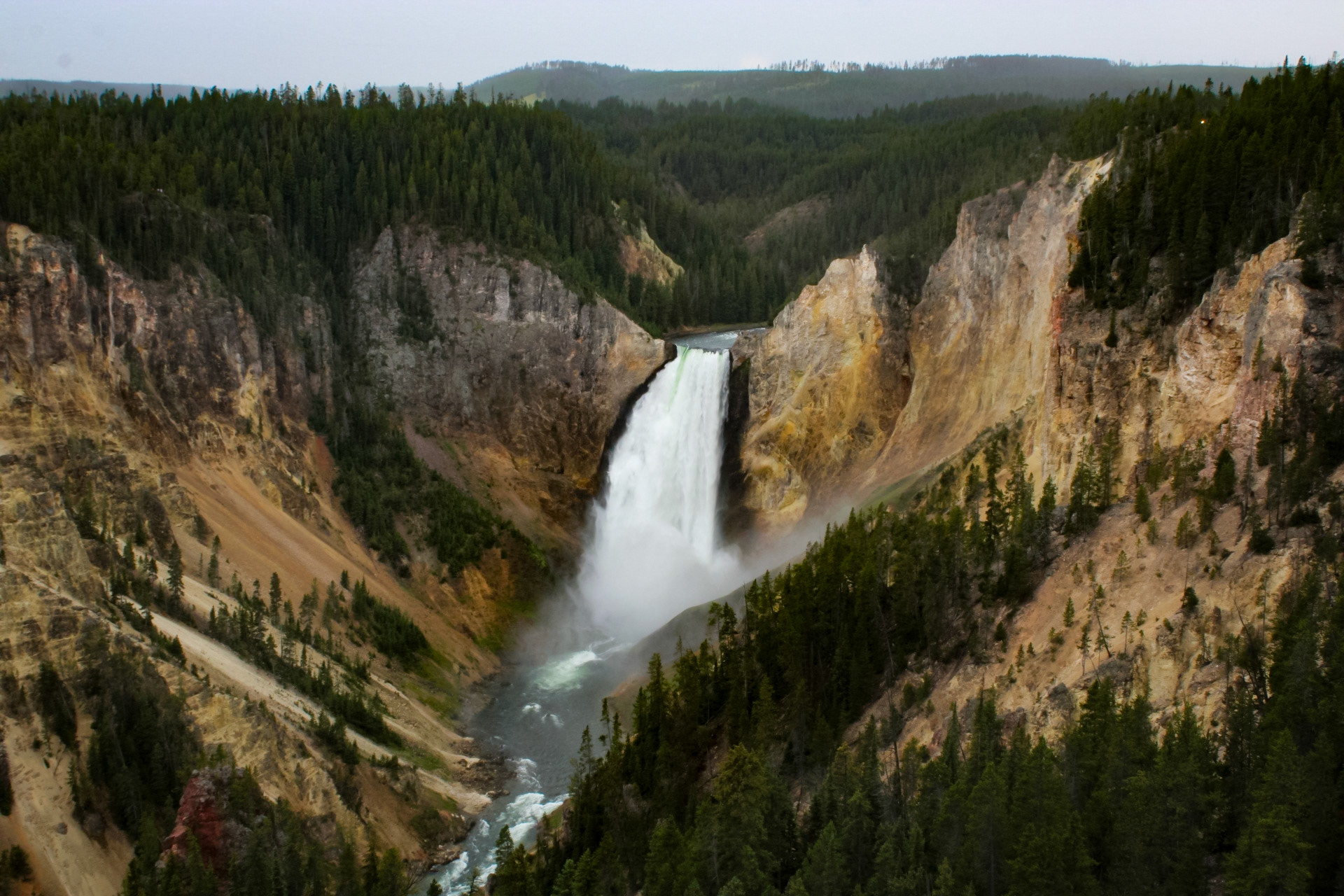
The skeptics had their reasons. Jim Bridger told of a canyon so deep you could shout down into it before you laid down for sleep, and wait to be awoken by your own echo 8 hours later. These tall-tale-telling trappers might have exaggerated here and there, but their stories were based on first hand accounts of the wilds they had experienced.
Into Uncharted Land
This mythical place would soon be known as the Yellowstone country. Those mountain men soon found themselves out of work as trappers, as the beaver top hat fashion trend died in the 1840s. They found new careers as wilderness guides, showing westward-bound pioneers the route to Oregon, lustful miners to the California gold fields, and early expeditions surveying the West to the most remote stretches of wilderness on the continent.
As frontier towns popped up in the Montana territory after the Civil War finished in 1865, new efforts to explore the wilds of the northern Rockies began to gain steam. One of the first teams to survey the Yellowstone country was the Langford-Washburn expedition of 1870.
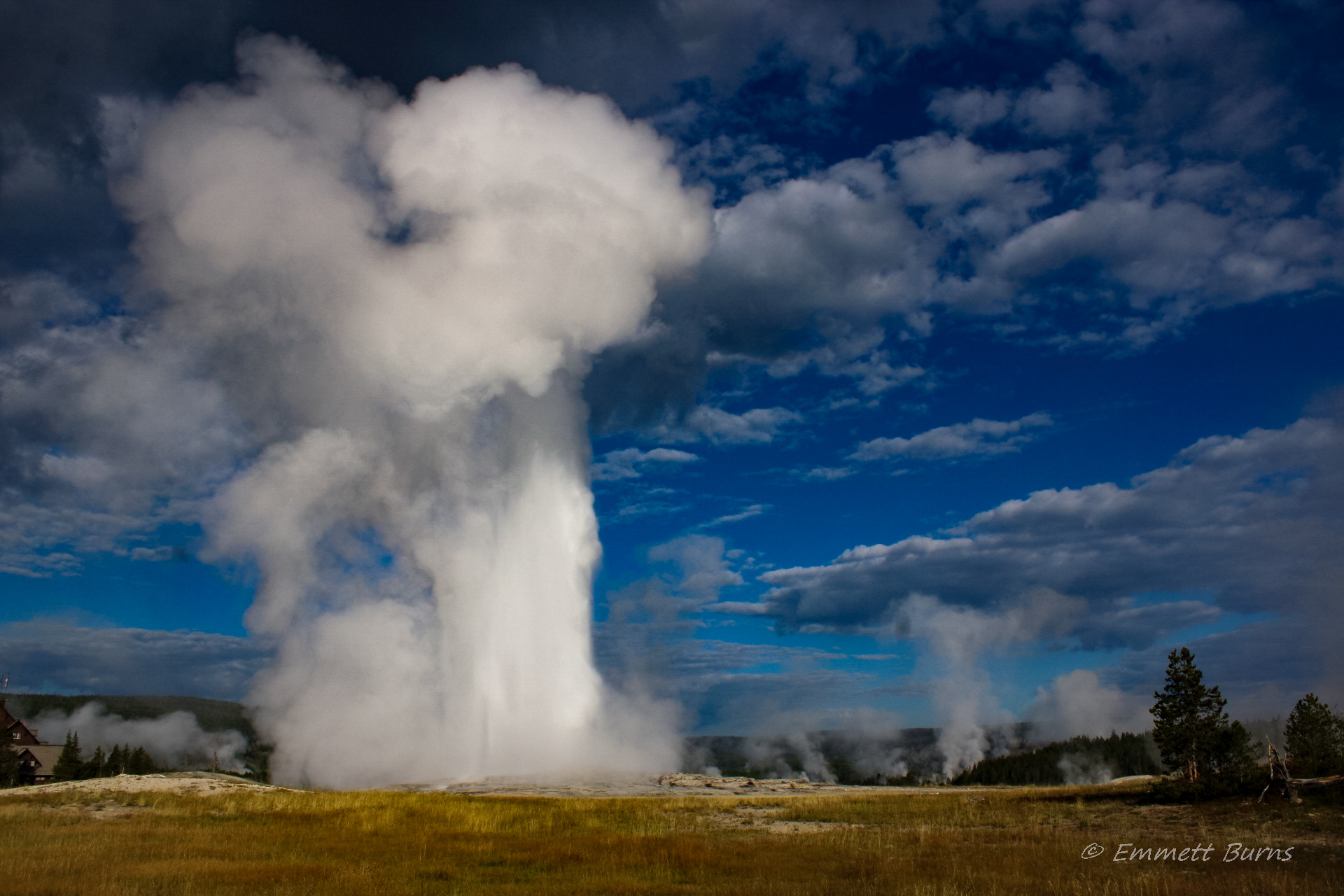
Surveyor-General Henry Washburn and Montana politician Nathanial Langford set out with a small team to explore the Yellowstone area in summer of 1870. They tramped through the border mountains, down by the Grand Canyon of the Yellowstone, around the geyser basins, and along the shores of Yellowstone Lake. They named a few features they found such as Mount Washburn, and most notably; Old Faithful geyser.
This expedition set out to explore and take samples, but its specimens, photographs, and sketches did not prove to represent the Yellowstone area fully. This lack of proper evidence would soon drive the US government to commission its own expedition the next summer.
The Hayden Expedition
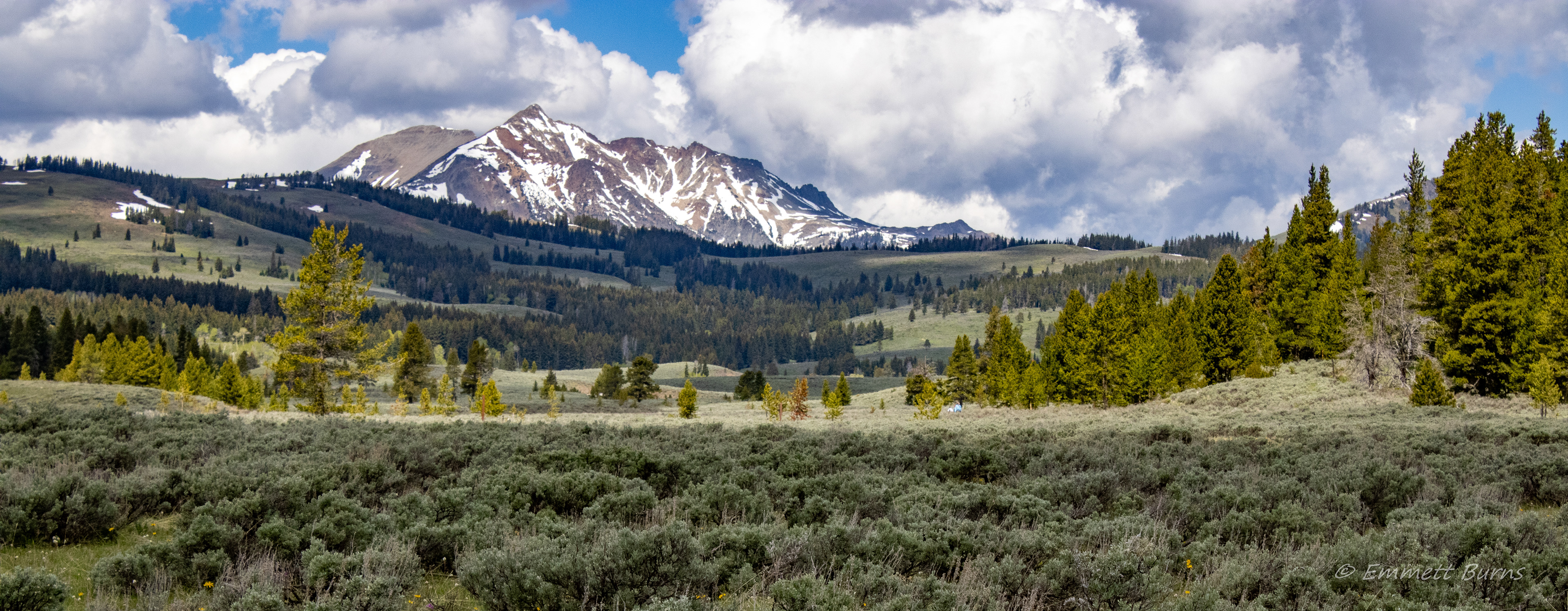
The summer of 1871, Congress hired USGS director Ferdinand Hayden to assemble a team for a scientific expedition of the Yellowstone region. Hayden was a decorated geologist and paleontologist, and he got to work right away. He assembled a team of scientists, surveyors, artists, photographers, writers, and whoever else he could muster into his 70-man expedition. They set out for the Yellowstone, and soon found themselves in a massive and beautiful wilderness. This wasn't supposed to be a rescue mission. This was an expedition to document the area’s resources; to see if the ground was fertile, the trees fit for lumber, and wildlife plentiful for slaughter. However, it seemed that this landscape silently advocated for its own life to be spared. Through that summer of 1871, the expedition’s mission changed. They were so moved by the area, with its beauty and scientific resources, they decided they would attempt to save it.
A Nation's Park
They returned to Washington DC with heaps of evidence highlighting this unique region. Beautiful paintings from Thomas Moran, vivid photographs from William Henry Jackson, and multitudes of specimens and eye-witness accounts from the top scientists of the day helped solidify the rumors and stories of this wild area to be true. Hayden and others lobbied Congress, gave speeches, and advocated for the Yellowstone country and its protection.
Through that winter, the US government was convinced of the area's significance, and moved to protect it. It would become a park managed and owned by all citizens of the country.
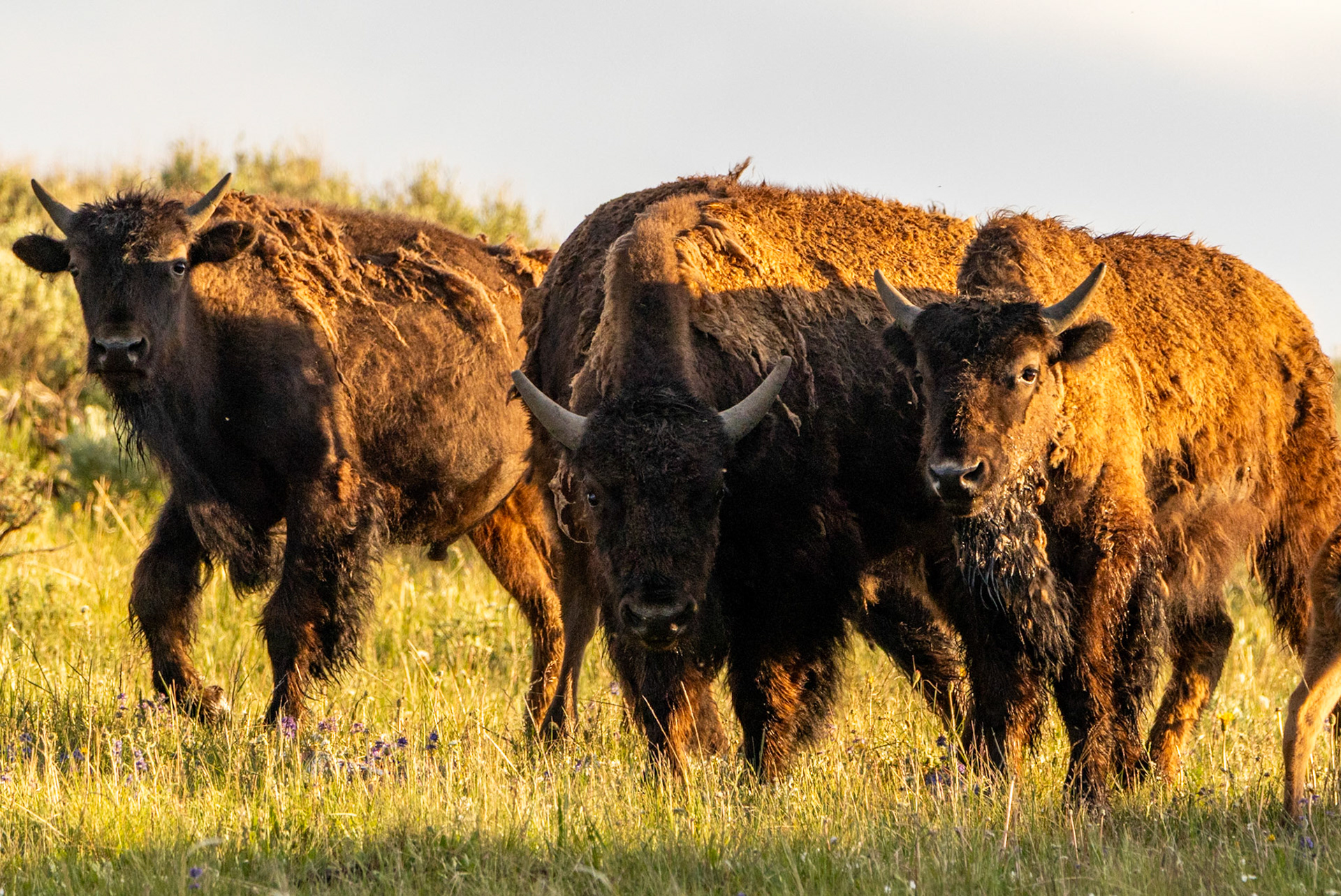
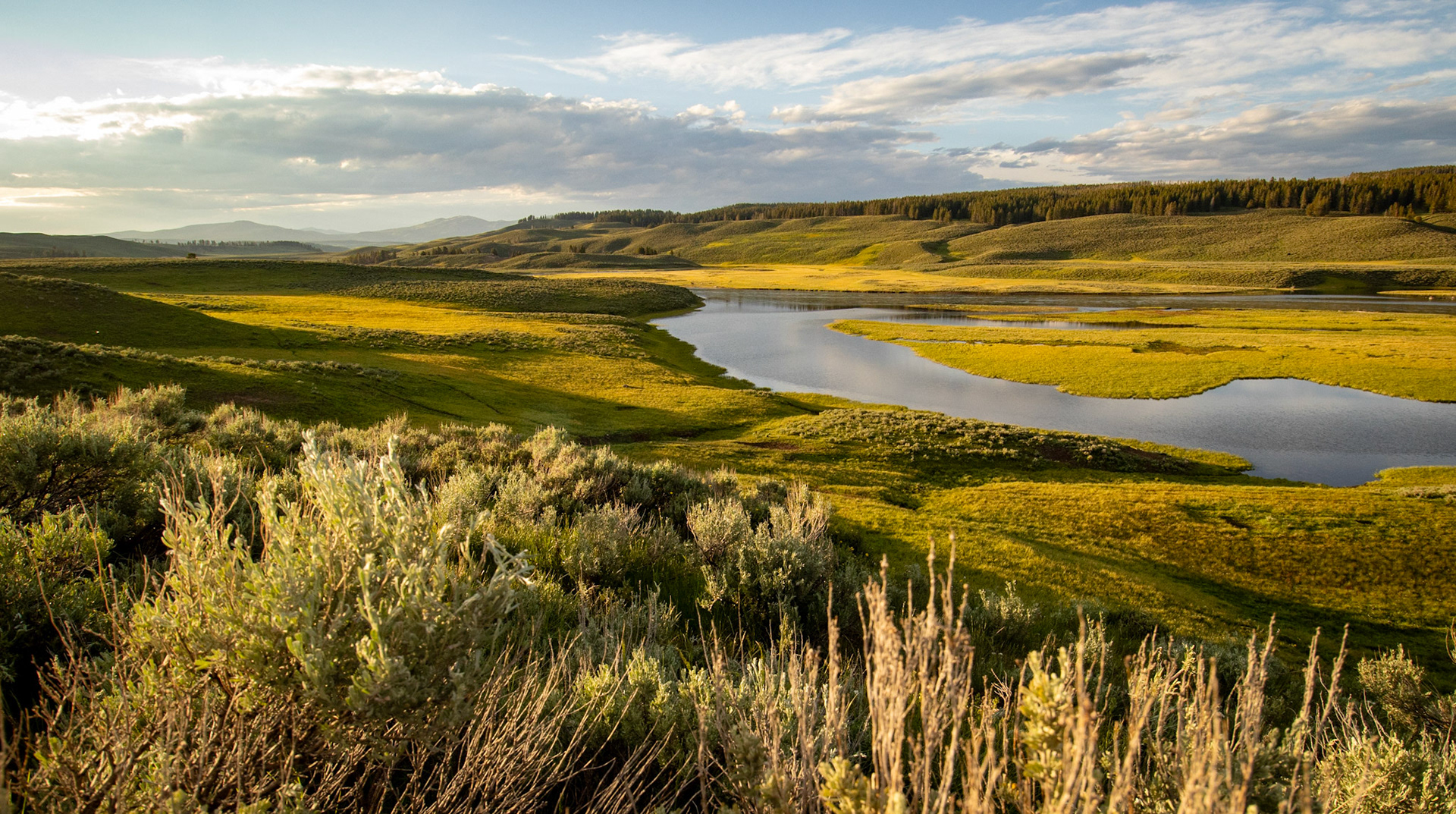
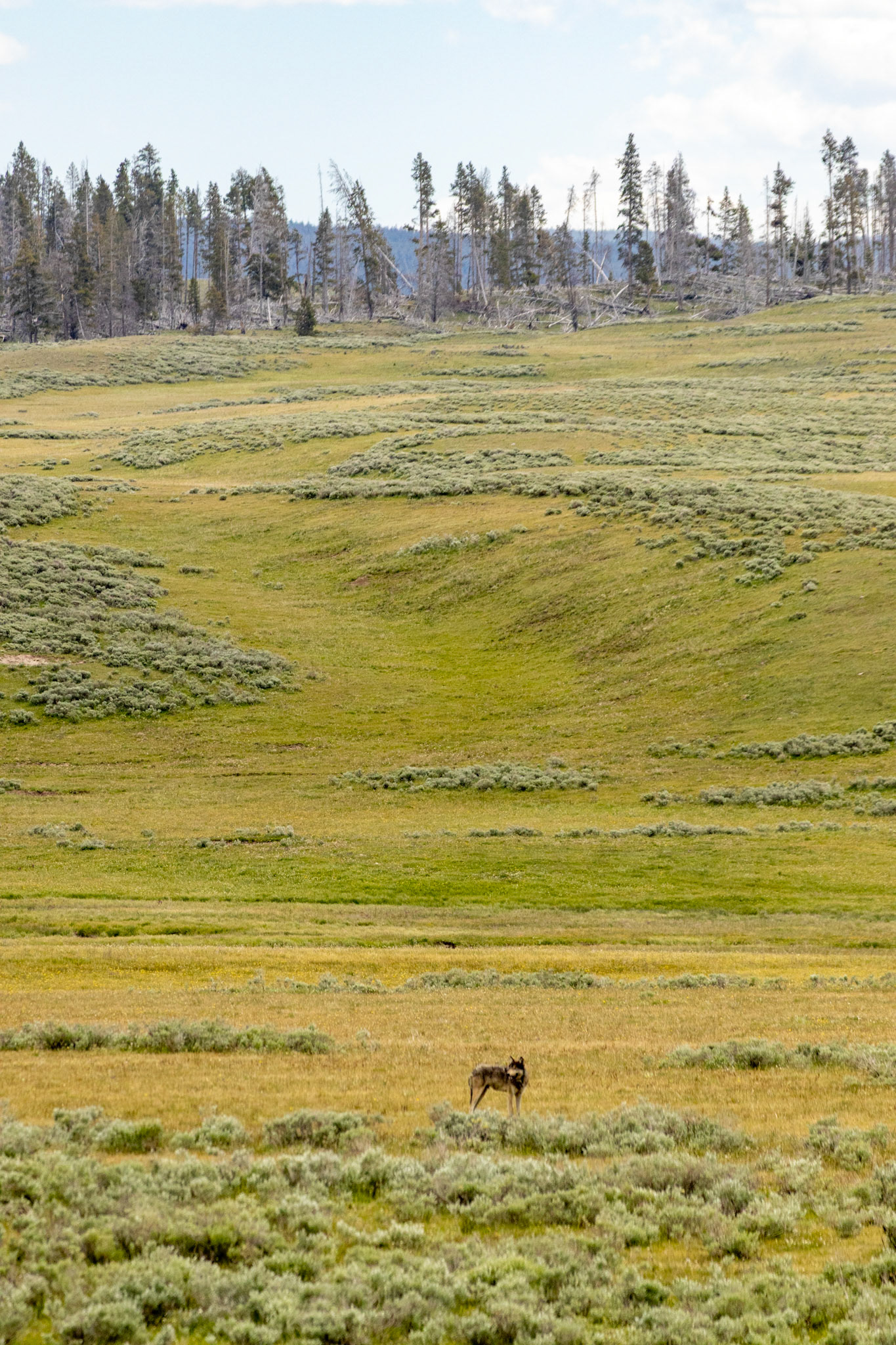
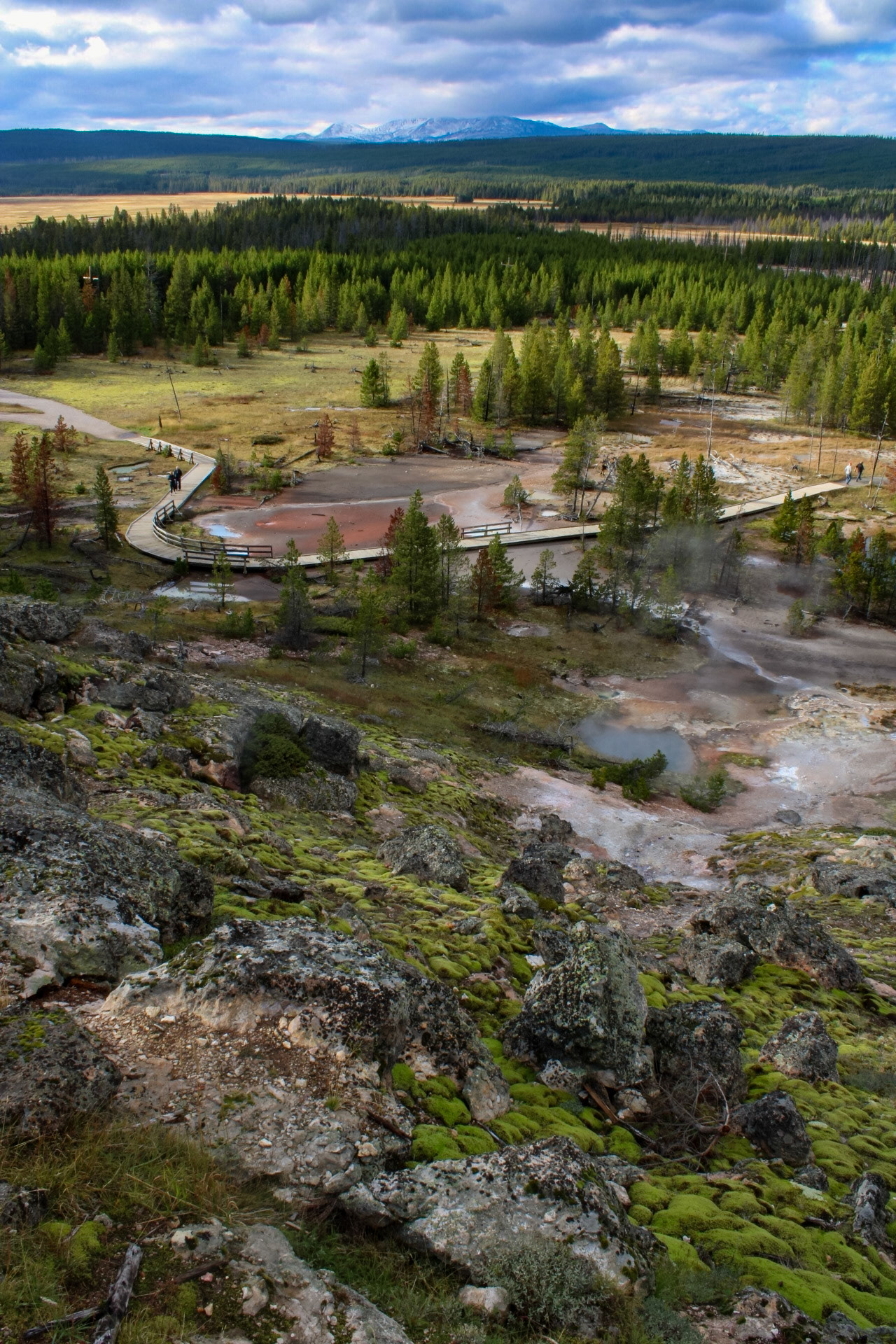
It would be a grand showcase of the vision of the future. A wild piece of land set aside for nothing more than to preserve its beauty for posterity. On March 1st, 1872, Yellowstone would become the world’s first national park.